Coordinate varroa treatments within entire districts to increase treatment success
By synchronising the treatment of Varroa mites in a specific area, the risk of reinvasion of Varroa mites into your bee colonies is minimised.
Deepen your knowledge through our visual library. We have developed exclusive resources, including demonstrative videos and detailed infographics, to support your beekeeping activity.
Explore our resources!
Other vital biosecurity measures, including the careful sourcing of new queens, establishing quarantine apiaries for newly acquired bees, and the safe disposal of deadouts, help safeguard the entire operation from unforeseen threats.
By synchronising the treatment of Varroa mites in a specific area, the risk of reinvasion of Varroa mites into your bee colonies is minimised.
Bee health depends on diseases, parasites, and the apiary environment. The beekeeper is responsible for hive placement, microclimate, nectar, pollen, and water supply, as well as hive ventilation...
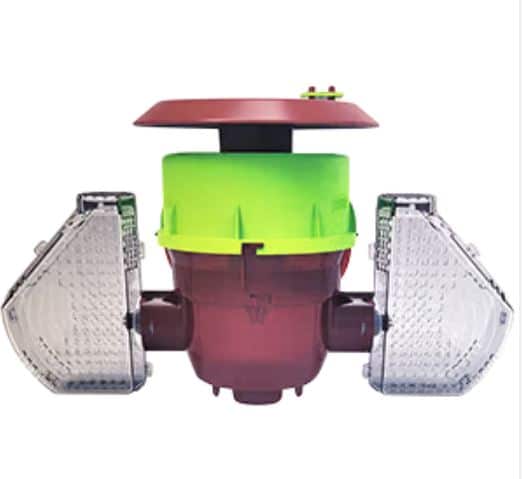
Deploying targeted bait stations and actively monitoring for nests are necessary steps to protect hives from aggressive predatory wasps and hornets, such as the yellow-legged Asian hornet.
Entrance barriers (~5mm openings) effectively protect Apis mellifera hives from Vespa velutina/orientalis by excluding hornets. Devices like Ornetin®, trap bottoms, and grids prevent ambushes. Install pre-JuneJuly for adaptation....
Vespa species’ biological cycle has two key intervention periods: spring (queen builds primary nests, 4-5cm) and autumn (destroy secondary nests with thousands of hornets/future queens). Early primary nest...
Managing winter stress and ensuring bees have opportunities for cleansing flights are crucial for preventing the spread of this parasitic fungal infection that attacks the adult bee’s digestive tract.
Differentiating Nosema apis (Type A: fecal spots, crawling bees, winter weakness) from N. ceranae (Type C: subtle population decline, no dysentery, year-round vigor loss) is crucial. Lab diagnosis...
Plant-based food supplements containing phytocompounds, polyphenols, oils, and extracts give support to colonies during low brood rearing. Time applications based on climate, food availability, and vigour (brood frames,...
Minimizing environmental stress factors and ensuring robust colony nutrition are key to preventing and recovering from outbreaks of this brood-afflicting bacterial infection.
To prevent the spread of European Foulbrood (EFB), disinfect or incinerate all contaminated beekeeping equipment, hive materials, and tools from symptomatic colonies. This includes frames, combs, protective clothing,...
Strict quarantine protocols, vigilant visual inspections, and immediate eradication of infected materials are vital to control this highly contagious, fatal, and spore-forming bacterial disease.
The destruction of colonies positive for American Foulbrood or the entire apiary is a drastic but necessary measure to prevent the spread of the disease. If the presence...
Visual detection of typical signs of American Foulbrood is essential for identifying the disease in hives. This involves looking for signs such as pupal remains attached to the...
Disinfecting flammable beekeeping material, such as hives, wooden nuclei, boards, frames, and combs, is crucial to prevent the spread of diseases like American Foulbrood. Various methods can be...
Upon detection of American Foulbrood in the apiary, it is crucial to manage asymptomatic colonies properly. Tests should be conducted to detect the presence of the disease and...
Visual inspection of brood during colony work is an essential practice for detecting signs of diseases like American Foulbrood. During these inspections, beekeepers should carefully examine brood cells...
Implementing a proactive, year-round monitoring and integrated pest management (IPM) strategy is the most effective defense against the devastating impacts of the Varroa destructor mite.
This is an alternative way of controlling the varroa mite. It builds on the concept that above 42 °C the varroa mite dies but the bees will survive....
This is a method to control the varroa mite by making the colony brood less during the productive season. This is done by caging the queen for 25...
Brood removal is a biotechnique used in the control of varroa infestation. Brood frames should be removed within 24 days from the start of egg laying by the...
Once the infestation level of varroa is exceeded all the hives in the apiary should be treated following the national legislation and product label. The temperature and the...
To control the varroa mite, formic acid is an option. Formic acid has the property to kill the varroa mite both in the capped brood and on the...
In this video, Leonidas Charistos from ELGO DIMITRA - Institute of Animal Science explains how to use oxalic acid strips for optimal results in anti-varroa treatment
To reduce the varroa mite level in the bee colony, when the colony is broodless, one option is sublimation of oxalic acid. The following practice describes the use...
Oxalic acid trickling is the backbone of modern sustainable varroa treatments. As soon as the infestation level reaches the local threshold, all colonies in an apiary must be...
The varroa control test should be carried out according to the national climate, for example in Spain they should be completed by early spring, autumn, and in summer.
To ensure sustainable beekeeping practices, it is crucial to regularly monitor varroa mite infestation levels in your colonies. There are several methods to choose from, so select the...
Samples from a representative number of bees should be taken to assess the varroa infestation on adult bees. In addition, the drone or worker bee brood should be...
In sustainable beekeeping, it is essential to regularly monitor the level of Varroa mite infestation in your colonies. Various methods are available, so choose the one that best...
Additional best practices, ranging from proper smoker usage and safe handling techniques to responsible swarm management, contribute to a safe and efficient beekeeping operation.
To produce straight, uniform wax combs, attach a thin wax sheet, called a foundation, to the frame. Melt it onto stainless steel wires using electricity, such as from...
Regularly cleaning and sanitizing beekeeping equipment, tools, and protective gear is essential to prevent the accidental introduction and spread of harmful pathogens between hives.
After honey extraction, frames must be stored properly to prevent contamination and maintain quality. Storage should be pest-free and protect against wax moth infestation. Old brood comb containing...
When storing beekeeping equipment such as hive boxes and wax frames, the facility must be purpose-built. Equipment removed for winter storage is bulky and requires careful planning. The...
Maintaining detailed, chronological records of hive inspections and interventions allows beekeepers to track colony progress, identify historical trends, and make informed management decisions.
The size of the apiary and the production orientation are key parameters for determining the modalities and the features of the record-keeping system to be adopted. Small enterprises...
The accurate keeping of records of harvest and product processing allows to compare the yield of different years and apiaries, the climate conditions and establish the potential of...
In order to carry out breeding activities consistently and effectively it is important to keep accurate records to monitor and compare the development of the colonies and their...
The identification of the apiary and the colonies contained therein is very important for institutional monitoring of bee stocks, for disease prevention and control and also for the...
Providing reliable access to clean water and appropriate supplemental nutrition is critical to sustain colonies, especially during periods of environmental scarcity or nectar dearth.
Access to a constant supply of water is extremely important for the welfare of the colony. Water is used by the bees for working the nectar they collect...
To avoid mould in the containers and degradation of the equipment, clean the feeders from the old sugar solution after use. Water is enough as a cleaning agent.
You can provide artificial feeding for wintering using several different devices. The main idea is that you use a feeder that prevents the bees from drowning in sugar...
Colonies under attack by other bees or predators need to be protected. Robbing in fact may spread diseases and also quickly deplete the food supplies of the colony...
The occurrence of robbing may be reduced by keeping strong colonies, monitoring the food supplies in all colonies so that they are balanced and, depending on weather conditions,...
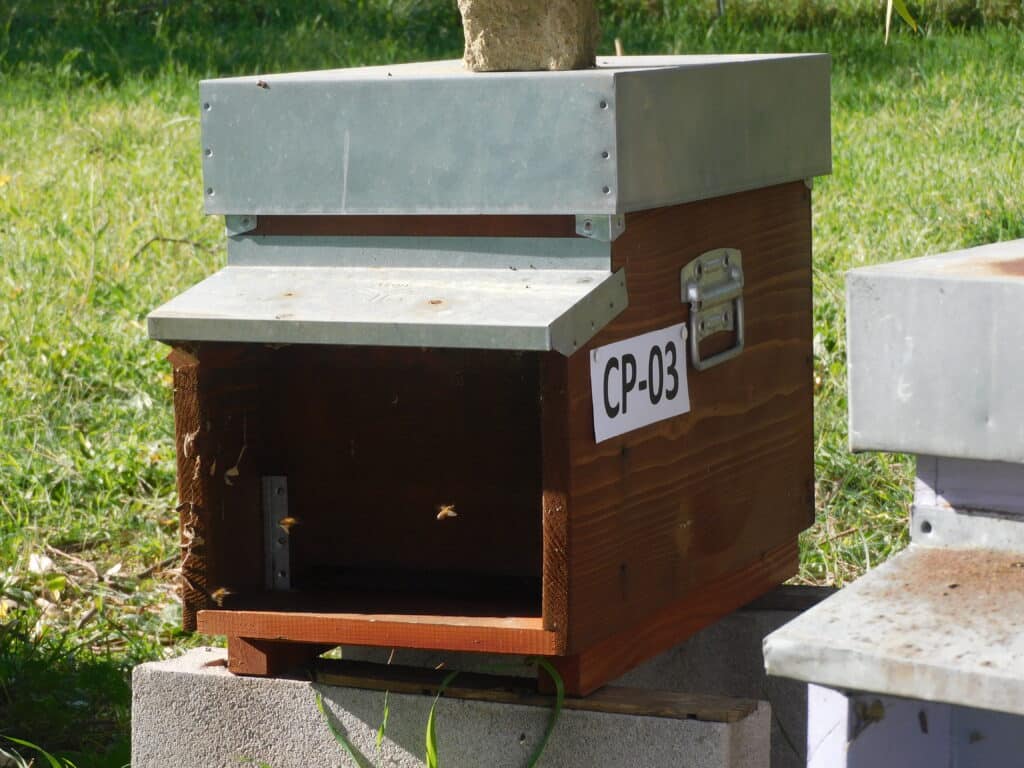
You can provide supplementary feeding at times of shortage in the colony. If it is early spring, a sugar candy is the best, allowing bees to access it...
Proper hive assembly and ongoing, proactive colony management ensure strong, thriving populations capable of surviving the winter and maximising honey production.
The tolerance to varroa infestation or to other diseases can be due to the honeybee queen. In case of inadequate level of tolerance, it could be useful to...
Using good queens is very important for a correct management in beekeeping. Queens are healthy if they are productive, resistant to diseases and adapted to local conditions. Genetic...
The management of the beeswax is essential to guarantee suitable combs and for beeswax production. The oldest or unsuitable combs (too dark, damaged, broken, mouldy, etc.) can be...
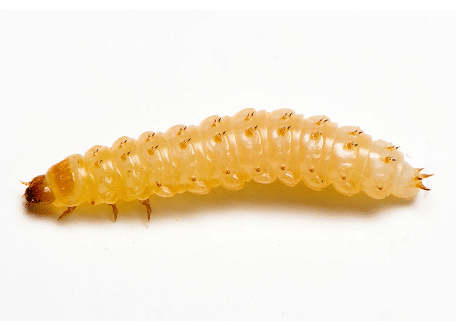
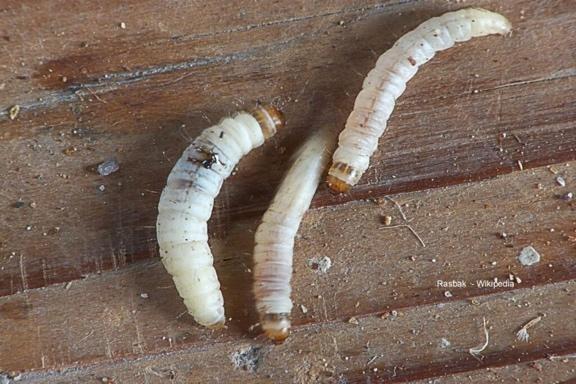
Wax moth larvae live on beeswax, especially on old combs with cocoons and pollen. They develop quickly in warm temperatures. Frames with wax combs need to be protected...
If you have damaged or old frames (old wax combs from the brood nest), make sure that you remove them and replace them with new fresh ones before...
When we raise or rear a new queen, for own use or for sale, it is necessary to evaluate if she is mated and performs an adequate oviposition....
It is important to control the quality of the colonies that you plan to produce new queens from. It is equally important to check the quality of the...
Inspection of the colonies is an essential activity for monitoring the development and the health of the beehive. Although it could be necessary visiting a colony also with...
To keep healthy honey bees, inspections of the brood chamber and the food storage are important. This evaluation cannot be done just by checking if the bees are...
To avoid stressing the bees unnecessarily while inspecting the colony status or making other management practices, always plan the work. Can more than one aspect of the management...
The honey bee colony must have enough food to eat at all times. If the storage of honey is too small, the queen will stop producing eggs and...
A strong honey bee colony can handle if the space is larger than it needs at the given time. However, a weak colony will not develop and grow...
Checking the health status and maintaining healthy colonies is essential for the correct management of the colony. Carrying out inspections for honeybee diseases before transferring colonies is essential...
When moving honey bee colonies from one place to another, national regulations regarding restrictions of movements must be followed at all times. Contact the national responsible authorities for...
Adding honey supers is useful for both swarming prevention and honey production. The honey supers increase the hive volume and give more space for the honey storage. The...
When spring comes, the queen will start laying eggs and the colony will grow. To allow the full development of the colony and to prevent swarming extra space...
Winter is a critical period for honeybee colonies. Honeybees generally stay in the brood chamber, in a cluster. An appropriate beehive volume and honey or sugar supply are...
The honey bee colony must have enough food to eat at all times. To ensure that the colony has enough food to survive a longer period without flowers...
Selecting an optimal location and diligently maintaining the surrounding environment is foundational to the overall health and productivity of your bees.
Bees fly-line should be free from impending obstacles. Obstructions can take the form of trees, shrubs, overgrown grass, buildings, roads with traffic, stones, stacks of materials, machinery, hilltops...
The hives must always be positioned in a way that they receive prolonged exposure to direct sunlight during the day. They should be facing South-East to help the...
When choosing the site for an apiary, you need to consider many things. One of them is the local conditions during winter. Maybe a site works well for...
Apiaries must not be overcrowded with beehives. High concentration of beehives in an area may affect the foraging pastures for the bees and can lead to increased exposure...
Beehives and bee colonies are valuable assets especially in rural contexts as they represent livelihood means of survival, economic income and food production. Appropriate fencing, gates and hedges...
Apiaries must be located at a safe distance from houses and villages and wherever there are human activities that can be affected or disturbed by the presence of...
Make sure when you set up the apiary that you provide enough space in the apiary for food-safe management practices. Meaning you must be able to handle the...
The distance between different apiaries is important in order to ensure bees have sufficient foraging pasture as well as reduce the risk of disease transmission like varroa or...
The settlement should be checked to verify the existence of trees, bushes or accidents of the ground to avoid air currents. Meshes for shading or windbreak should be...
Humidity and wind can affect the development of the colony inside the hive as they can impact on brood development or negatively interfere with the thermoregulatory process provided...
When choosing the site for an apiary, make sure that within the flight range of the bees, generally defined as 3 kilometres, do not have big sources of...
It is important to ensure a solid prepared ground to avoid flooding, free of high vegetation, stones and paved access to the apiary. The possibility of making terraces...